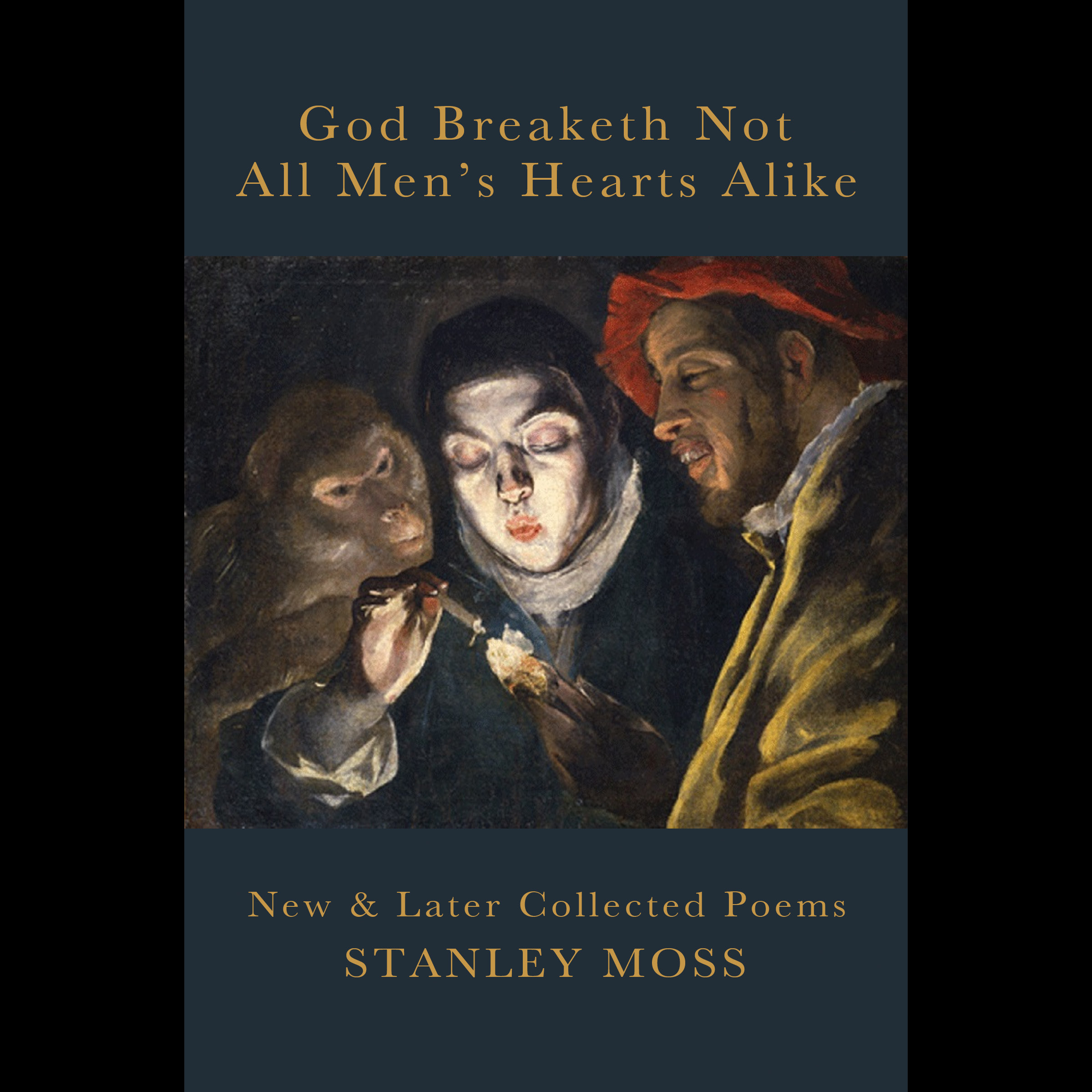
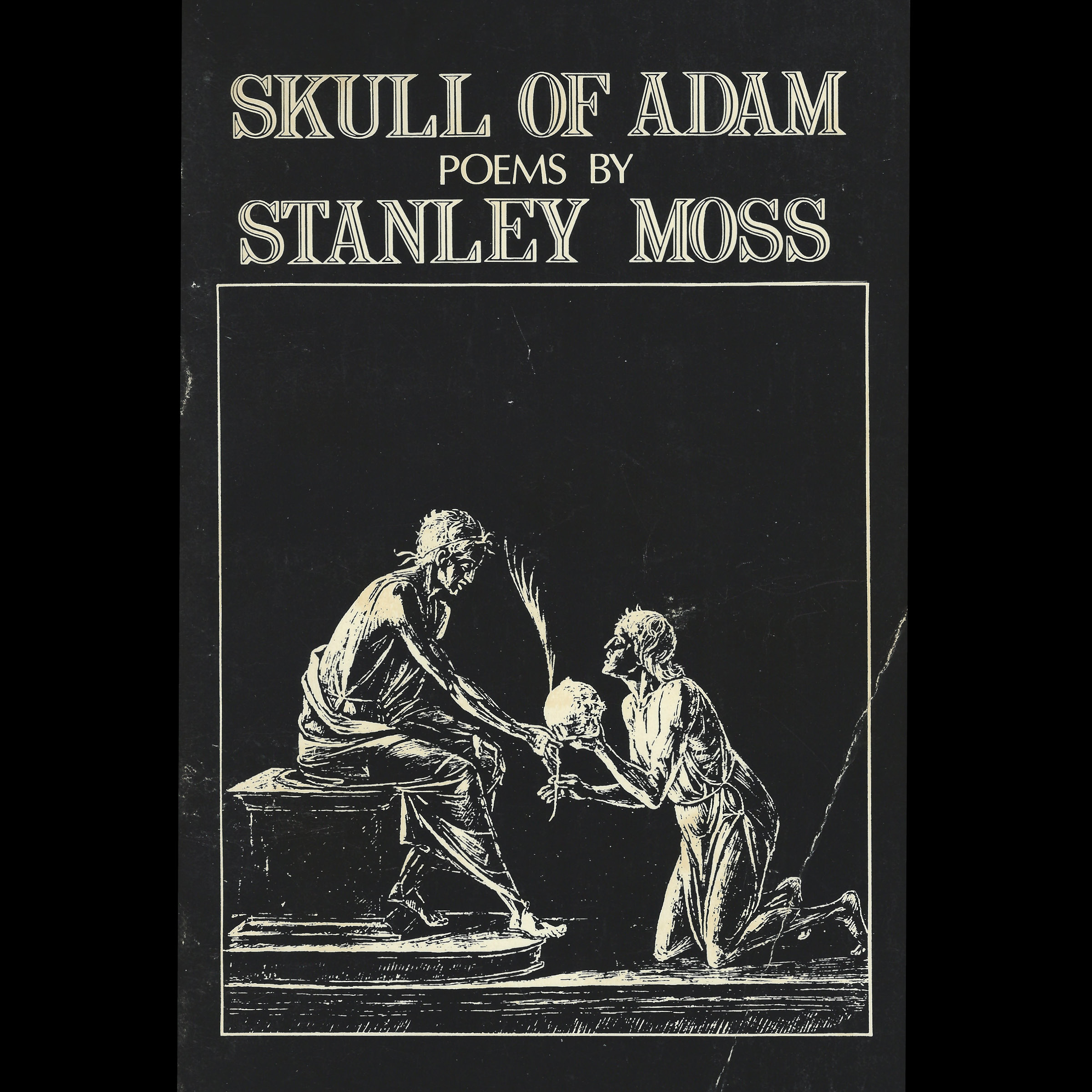
God of paper and writing, God of first and last drafts,
God of dislikes, god of everyday occasions—
He is not my servant, does not work for tips.
Under the dome of the roman Pantheon,
God in three persons carries a cross on his back
as an aging centaur, hands bound behind his back, carries Eros.
Chinese God of examinations: bloodwork, biopsy,
urine analysis, grant me the grade of fair in the study of dark holes,
fair in anus, self-knowledge, and the leaves of the vagina
like the pages of a book in the vision of Ezekiel.
May I also open my mouth and read the book by eating it,
swallow its meaning. My Shepherd, let me continue to just pass
in the army of the living,
keep me from the ranks of the excellent dead.
It’s true I worshipped Aphrodite
who has driven me off with her slipper
after my worst ways pleased her.
I make noise for the Lord.
My Shepherd, I want, I want, I want.
Obsessively I wish Yahweh would just go away, because I don’t like him or trust him, but he won’t go. Stanley Moss has his own mode for confronting this dilemma, and he handles it eloquently.
—Harold Bloom
The poetry of the ages is an argument with God, so it is said; but not many poets attempt it today. Stanley Moss does. In many voices, in lines rugged yet eloquent, in different places and with various learnings, he sings us songs of his unbelievable belief, his unlovable lovesongs of anguish, songs any of us would sing if we could. I find them disconcerting and extraordinarily moving.
—Hayden Carruth
Again and again, coming upon a poem of Stanley Moss’s, I have had the feeling of being taken by surprise. Not simply by the eloquence or the direct authenticity of the language, for I had come to expect those in his poems. The surprise arose from the nature of his poetry itself, and from the mystery that his poems confront and embody, which makes them both intense and memorable.
—W.S. Merwin
Magisterial…this book is magnificent. I’ve read it several times with greater and greater pleasure. Its verbal generosity and bravura, its humanity, the quality and quantity of information which it integrates into poetry of the highest order make it a continuing delight.
—Marilyn Hacker, Poetry London
Over the past decade Stanley Moss has tapped into a well of feeling and a wealth of metaphor and memory that have made him one of the most moving and eloquent American poets. His rueful yet celebratory poems on the illness and death of friends are remarkable examples of this late-life creative surge. They are poems to read and reread, poems to cherish as they cherish their subjects.
—Morris Dickstein
This is a book made of experience and high intellect. From the first measured trope to the last haunting moment, in which God equals a question, these poems curse and sing about the blessings and tragedies of personal life. Embracing the larger world, they’re also hardy psalms that make me say, Thanks for this important, gutsy collection.
—Yusef Komunyakaa
It is time to celebrate the singular beauty and power of Stanley Moss’s poetry....The damp genius of mortality presides.
—Stanley Kunitz
Available from Seven Stories Press
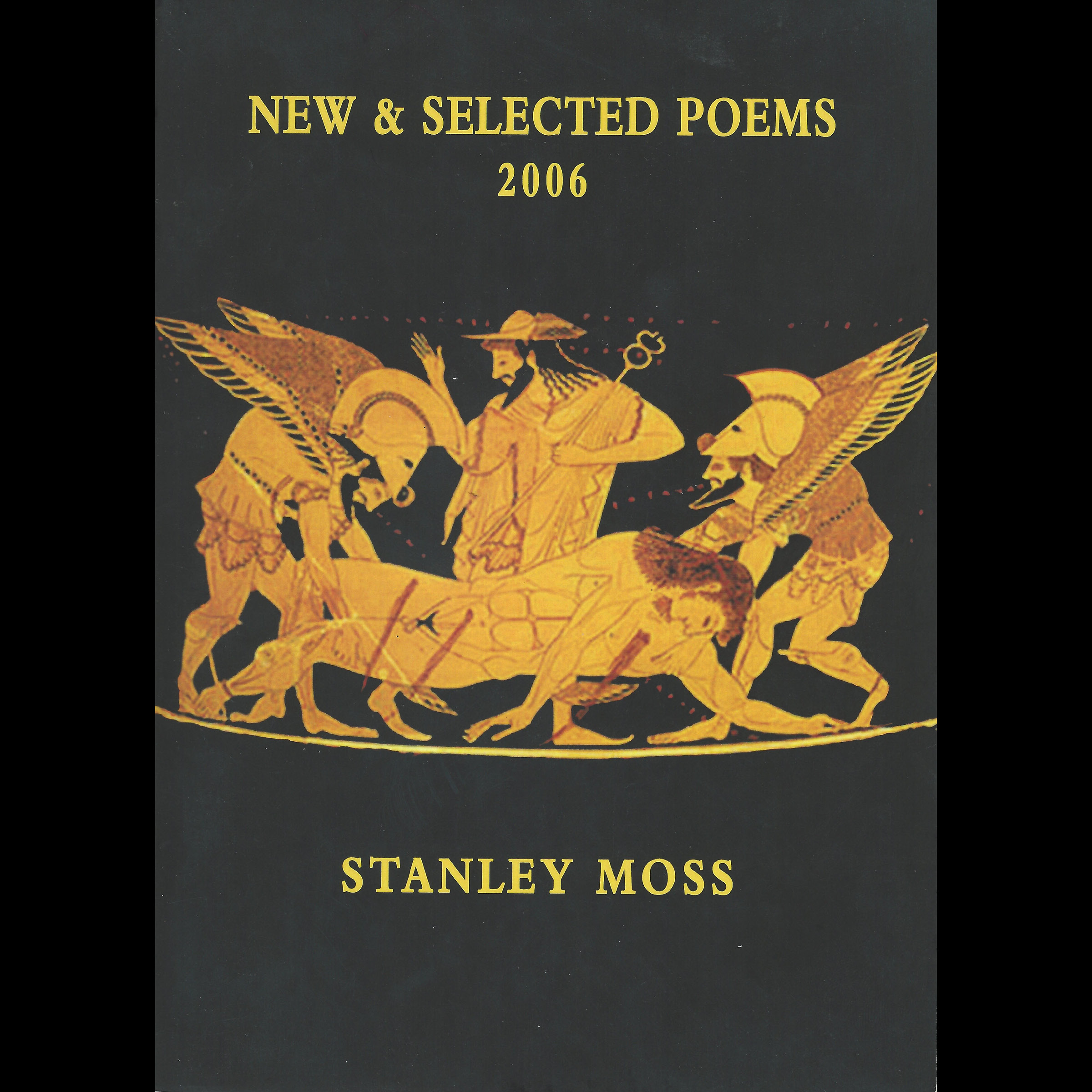
Stanley Moss is American poetry’s best-kept secret, better known as the innovative publisher of other poets than for his own highly charged, stingingly beautiful lyrics. That should change with the publication of his long-awaited and gorgeous New & Selected Poems 2006.
—John Ashbery